
Planning for retirement is one of the most important financial goals for working adults. In 2025, inflation continues to be a significant factor that can erode the value of your retirement savings, including 401(k) accounts and other retirement plans.
Many people underestimate the long-term impact of inflation, which can make a comfortable retirement seem farther away than expected.
This article explains how inflation affects your retirement plans, strategies to protect your savings, and ways to optimize your 401(k) and other retirement accounts in 2025.
1. Understanding Inflation
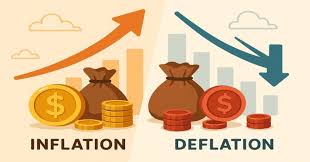
Inflation is the rate at which the prices of goods and services rise over time. When inflation is high, each dollar you save loses purchasing power, meaning the money you set aside today will buy less in the future.
Example:
- Suppose you have $100,000 saved for retirement.
- If inflation is 6% per year, in 20 years, your $100,000 will have the purchasing power of just around $30,000 in today’s dollars.
Inflation impacts not just your everyday expenses but also your long-term financial security, including retirement planning.
Types of Inflation
- Creeping Inflation: 1–3% per year, normal in most economies
- Moderate Inflation: 3–10% per year, can affect long-term savings
- Galloping Inflation: 10–20% per year, dangerous for retirement planning
- Hyperinflation: Over 50% per year, extremely destabilizing
2. How Inflation Impacts 401(k) and Retirement Plans
Your 401(k) and other retirement accounts grow over time through contributions and investment returns. However, inflation affects these accounts in multiple ways:
a) Reduces Real Value of Savings
Even if your account balance grows nominally, high inflation can reduce the real value of your retirement savings.
Example:
- Current 401(k) balance: $200,000
- Expected annual growth: 7%
- Inflation rate: 5%
Real growth: 7% – 5% = 2% per year
While your account grows, the purchasing power of your money increases slowly, which may be insufficient to cover future expenses.
b) Increases Cost of Retirement Living
Inflation affects your living costs in retirement:
- Housing, healthcare, groceries, and transportation costs rise
- Standard retirement withdrawal plans (like the 4% rule) may not keep up with rising costs
c) Impacts Investment Returns
Inflation influences the performance of various asset classes:
- Bonds: Fixed-income securities lose value as interest rates rise to combat inflation
- Stocks: Equities often keep up with inflation but can be volatile
- Real estate and commodities: Can serve as inflation hedges
3. Understanding the 4% Rule in 2025
The 4% rule suggests that retirees can withdraw 4% of their retirement savings annually to sustain a 30-year retirement.
Challenge:
- With high inflation in 2025 (around 5–6% in many economies), 4% withdrawals may not be sufficient to cover increasing expenses
- You may need to adjust withdrawal rates or save more to compensate
Solution: Consider a flexible withdrawal plan or diversify investments to hedge against inflation.

4. Types of Inflation-Protected Retirement Investments
To protect retirement accounts from inflation, consider the following options:
a) Stocks / Equities
- Equities often outpace inflation over the long term
- Investing in growth stocks, dividend stocks, or index funds can help maintain purchasing power
b) Inflation-Protected Bonds
- Treasury Inflation-Protected Securities (TIPS) in the US adjust principal with inflation
- Offer a safer way to preserve purchasing power while earning returns
c) Real Estate
- Property values and rental income generally rise with inflation
- Can be part of a diversified retirement portfolio
d) Commodities & Gold
- Traditionally act as a hedge against inflation
- Suitable as a small portion of a retirement portfolio
5. Strategies to Protect Your 401(k) from Inflation
a) Increase Contributions
- Maximize contributions to your 401(k) to counteract inflation’s effects
- Even small increases (1–2% per year) can make a big difference over decades
b) Diversify Your Portfolio
- Don’t rely solely on bonds or fixed income
- Mix equities, international stocks, and inflation-protected assets to reduce risk
c) Adjust Investment Allocation Over Time
- Younger workers: More equity-heavy portfolio to beat inflation
- Near-retirement: Gradually include inflation-protected securities to safeguard savings
d) Consider Roth 401(k) Options
- Contributions are after-tax, withdrawals are tax-free
- Helps hedge against future tax increases, which may accompany inflation
e) Review Retirement Plan Regularly
- Monitor your 401(k) performance and adjust allocations based on inflation trends
- Use financial planning tools to forecast inflation-adjusted needs
6. Importance of Compounding in an Inflationary Environment
Compounding interest works best when contributions are consistent and invested wisely.
Example:
- Monthly contribution: $500
- Growth rate: 7% annually
- Inflation: 5%
Even with moderate inflation, starting early allows compounding to outpace inflation over decades. Delaying contributions reduces the impact of compounding, making it harder to maintain purchasing power.
7. Impact on Retirement Age and Lifestyle
Inflation can affect:
- Retirement age: You may need to work longer to accumulate sufficient funds
- Lifestyle expectations: Rising healthcare, travel, and daily living costs require larger retirement savings
Planning Tip: Use inflation-adjusted calculators to estimate how much you need at retirement.
8. Practical Steps to Counter Inflation in Retirement Planning
- Start Early: Early contributions allow compounding to work against inflation
- Increase Contributions Gradually: Raise contributions annually to stay ahead of inflation
- Diversify Investments: Include equities, real estate, and inflation-protected bonds
- Monitor Inflation Trends: Adjust your portfolio and withdrawal strategy accordingly
- Consider Professional Advice: Financial planners can create inflation-adjusted retirement plans
9. Using Technology to Stay Ahead
Fintech and AI tools in 2025 help manage inflation impact:
- Robo-advisors: Adjust portfolios automatically based on inflation and market trends
- Budgeting Apps: Track expenses and adjust savings targets
- Retirement Calculators: Estimate inflation-adjusted savings requirements
- AI Analytics: Predict long-term trends and suggest investment adjustments
Example: Apps like Betterment, Wealthfront, Groww, or Vanguard provide automated advice for inflation-hedged portfolios.
10. Common Mistakes to Avoid
- Ignoring Inflation: Planning retirement with nominal numbers leads to shortfall
- Over-Reliance on Bonds: Fixed-income-heavy portfolios can lose real value
- Late Start: Delaying contributions reduces compounding benefits
- Ignoring Taxes: Taxes can reduce retirement funds; consider Roth or tax-advantaged accounts
- Static Withdrawals: Using a fixed withdrawal rate without considering inflation may deplete funds faster
11. Case Study: Inflation Impact on 401(k)
Scenario:
- Current age: 30
- Current 401(k) balance: $50,000
- Annual contribution: $6,000
- Expected return: 7%
- Inflation: 5%
Nominal growth:
- In 30 years, balance grows to approx. $650,000
Real growth (adjusted for inflation):
- Effective purchasing power: ~$275,000
Takeaway: Without adjusting for inflation, you might overestimate retirement funds. Increasing contributions and including inflation-protected assets can maintain purchasing power.
12. Final Thoughts
Inflation is a silent threat to retirement planning, capable of eroding decades of savings if not accounted for. In 2025, it is crucial to:
- Understand how inflation reduces purchasing power
- Diversify investments to include stocks, real estate, and inflation-protected securities
- Increase contributions and start early to leverage compounding
- Use technology and AI-driven tools to monitor and adjust plans
Your 401(k) and retirement plans should not just grow nominally but maintain or increase real value over time. With careful planning, inflation-conscious investing, and strategic use of technology, you can secure a comfortable and financially independent retirement, even in a high-inflation environment.
The key takeaway: Inflation doesn’t have to derail your retirement—proactive planning and smart investment strategies can help you stay ahead.